Personal Finance

Banking Abroad | Open Accounts, Move Money, and Stay Compliant

A local bank account makes life abroad easier, but it also creates reporting duties back home. Here is how to set up banking in a new country without creating problems later.

Aequify TeamAequify TeamEditorial @aequify
5 min read
Banking Abroad | Open Accounts, Move Money, and Stay Compliant

Getting paid, paying rent, and building credit in a new country all start with a local bank account. The catch for expats, especially US persons, is that every new account abroad can create reporting obligations at home. Set things up deliberately and you get the convenience without the compliance surprises.

Setting up in the first month

  1. Open a local current account as soon as you have an address and ID, since payroll usually requires one.
  2. Keep one home-country account open for credit history, old subscriptions, and tax refunds.
  3. Use a dedicated multi-currency or transfer service for large moves of money instead of bank wire defaults.
  4. Record the opening date and balances of every new account from day one.

What banks will ask a US person

Thanks to FATCA, foreign banks will ask US citizens for a W-9 and report account details to the IRS. That is normal. What matters is that your own reporting matches: the accounts you hold, the highest balances they reach, and the income they generate should all be reflected in your filings.

Treat your account list like a living document rather than a year-end reconstruction. A complete, current picture of where your money lives is the single best defense against both missed forms and double taxation.

About Aequify

Aequify is a smart money hub built to help expats and relocating employees solve these challenges. It pulls your accounts, pay, and taxes into one clear view. You can see your likely take home pay in the new city, spot the forms you will need, plan state exit steps, and avoid double tax. Share a clean summary with your advisor with a single click, no spreadsheets or dozens of statements. Move with confidence.

Disclaimer: This blog is education, not tax advice.

Friends laughing together outdoors

Latest from Aequify

US Expat Taxes in the UK (2026): FIG Regime, Treaty & Filing Guide

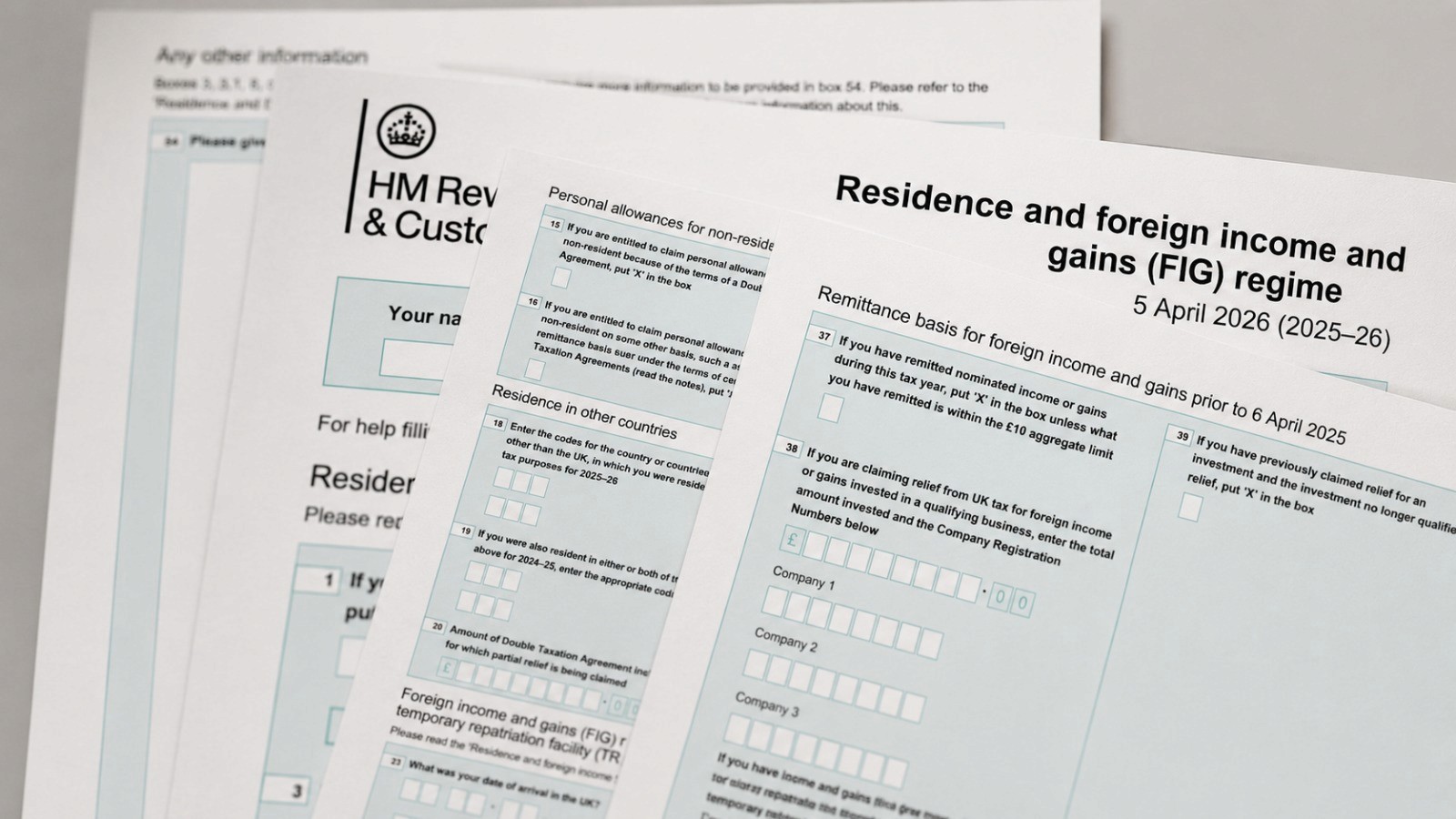
The UK swapped domicile for residence as the basis of taxation on 6 April 2025, killing the remittance basis and replacing it with a 4-year Foreign Income and Gains regime. Covers who qualifies for FIG (10 consecutive non-resident years), why claiming it costs you the personal allowance and CGT exemption, the new Overseas Workday Relief cap, and the inheritance-tax "long-term resident" test at 10 of the previous 20 years. Ends on day-counting and a teased UK residence day tracker.

Accidental American? Your 2026 US Tax Options (Amnesty, Streamlined, Renouncing)

For people who discover the US still treats them as a US person despite little real connection to the country. The argument: most accidental Americans don't owe much tax — the pain is the reporting. Sequence given is confirm US person status, audit missed returns and FBARs, establish whether the failure was non-willful, then choose between becoming compliant or exiting US status. Explicitly warns against filing random forms or rushing into renunciation.

Your questions, answered

Everything you need to know before starting your journey

See all FAQs

Ready to take control of your global finances?

Aequify provides you the tools to manage your finances no matter where you go.

Try for free